

Are your employee benefits working for your people? Five questions to ask your team
Eye tests, dental cover, a cycle-to-work scheme. Most benefits packages include a few familiar favourites, and they all play a part in looking after your team.
But which ones are people loving? What would make their week a little better? Is there more you could offer to help everyone feel their best?
A quick check-in with your team can give you a clear picture of what they value and spark some great ideas for what to try next. Here are five questions to get you started, plus some ideas for what to do with the answers.
1. “What kind of support matters most to you at the moment?”
This is a lovely open question to start with, because it lets people answer in their own words rather than picking from a list. You might hear about things you’d expect, like gym memberships or mental health support.
You may also hear ideas you wouldn’t expect in a benefits package. Roller derby training, a cooking class with a friend or a few cosy hours spent crafting. Wellbeing lives in the everyday moments as much as the big ones.
What to do with the answers…
Look for themes across the team, then compare those themes with what you currently offer: if people’s answers are wonderfully varied, that’s a great sign your team would benefit from support that gives them room to choose what works for them.

2. “Which benefits have you used in the past year?”
This one gives you a clear snapshot of what’s catching people’s attention. You’ll see which benefits are popular, which ones people are aware of and which might be flying under the radar.
It’s worth giving people a quick reminder of everything on offer before they answer. Some might be surprised to rediscover a benefit they signed up for during onboarding and haven’t thought about since!
What to do with the answers…
Put the responses side by side with any usage data you have. Together, they’ll show you which benefits your team gets the most from, and which ones might need a little help to shine.
If a benefit does have a low uptake, it’s worth finding out why. People may simply need clearer information or an easier way to access it.
But low uptake can also mean you’re paying for something your team has little use for. It’s a common story with benefits platforms: people log in once, browse a catalogue of options chosen for them and drift away. Meanwhile, the cost carries on every month.
That budget could be working much harder. Support that gives people the freedom to choose means every pound goes towards something your team actually wants to use.
3. “How easy is it to find out what’s available and make use of it?”
Usage tells you what’s happening - this question helps you understand why. If a benefit is tricky to find or a hassle to claim, people are much more likely to put it off, even when it’s something they’d love.
What to do with the answers…
Look for the sticking points that come up again and again, then make them as easy to fix as possible. That might mean a single place for people to find everything, or a simpler way to claim back expenses. The easier a benefit is to use, the more people will make the most of it. Plus, it usually means fewer “how do I…?” messages landing in your inbox.

4. “Have your needs changed since the benefits were introduced?”
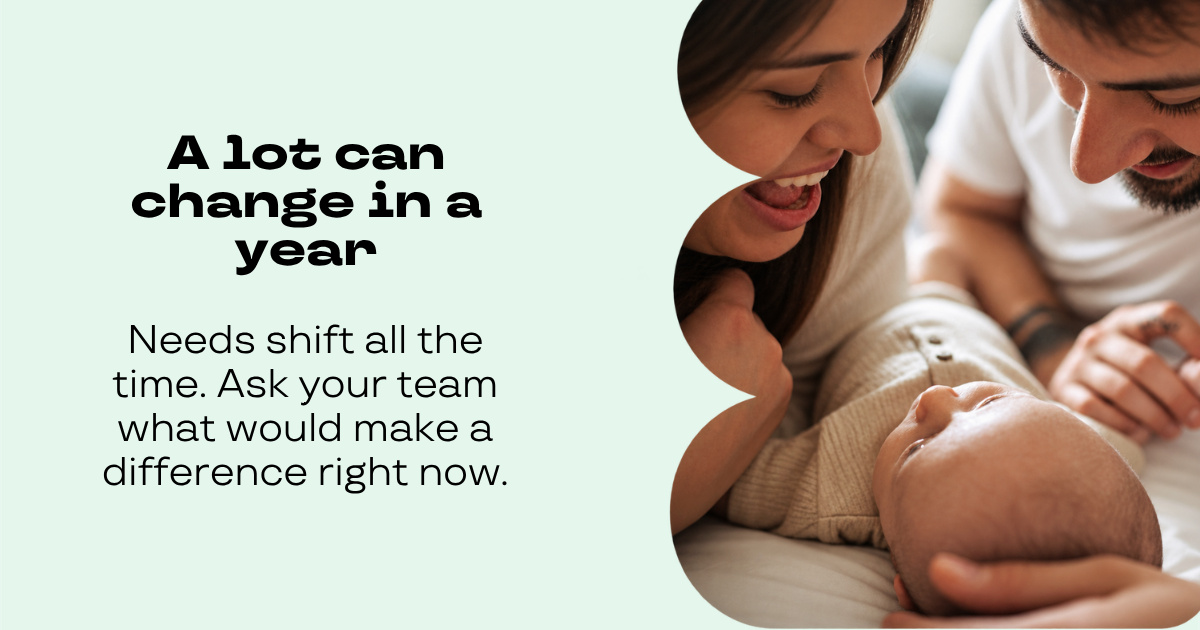
Life moves fast, and a lot can change in a year or two. Someone might have become a parent, started caring for a relative, moved further from the office or taken up a new passion that’s become a big part of their week.
Your team will also be at lots of different life stages at once, each with their own idea of what helps. This question invites people to share how their lives have shifted, and what support from work might make a difference to them right now.
What to do with the answers…
Some months people want a challenge, other times they need rest or a bit of extra support. Benefits that give people room to adapt, and to use their support when the timing is right for them, can keep up with those changes far more easily than an annual review.
5. “What’s one benefit you’d tell a new colleague about, and why?”
A good one to finish on. Instead of asking people to rate their benefits, this question invites them to recommend something in their own words, the way they would over a coffee.
The “why” is where the magic happens: you’ll hear what makes a benefit feel personal and worthwhile, whether that’s the therapy sessions that helped someone through a tough few months or the climbing membership that’s become the highlight of their week.
Make sure people feel comfortable saying “nothing yet” or “I haven’t used any” too. Those answers are just as useful, because they show you where benefits might be going unnoticed.
What to do with the answers…
Look at which benefits come up most often, and pay close attention to the reasons people give. Those stories are a brilliant guide to what your team values most.
They’re also great to share (with permission, of course). Hearing how a colleague uses their benefits is often the nudge someone needs to try something for themselves.
If lots of people struggle to name anything, that’s a helpful sign it might be time to explore support that feels more relevant to them.
Over to you
Five questions, a few minutes of your team’s time and you’ll come away with a much clearer picture of what helps them feel their best.
If your team’s answers point towards wanting more choice, Juno can help. Our flexible wellbeing allowance sits alongside your existing benefits, giving everyone the freedom to pick what suits them, with zero admin headache for you.
Book a call and see how it could work for your team.